Table Of Content
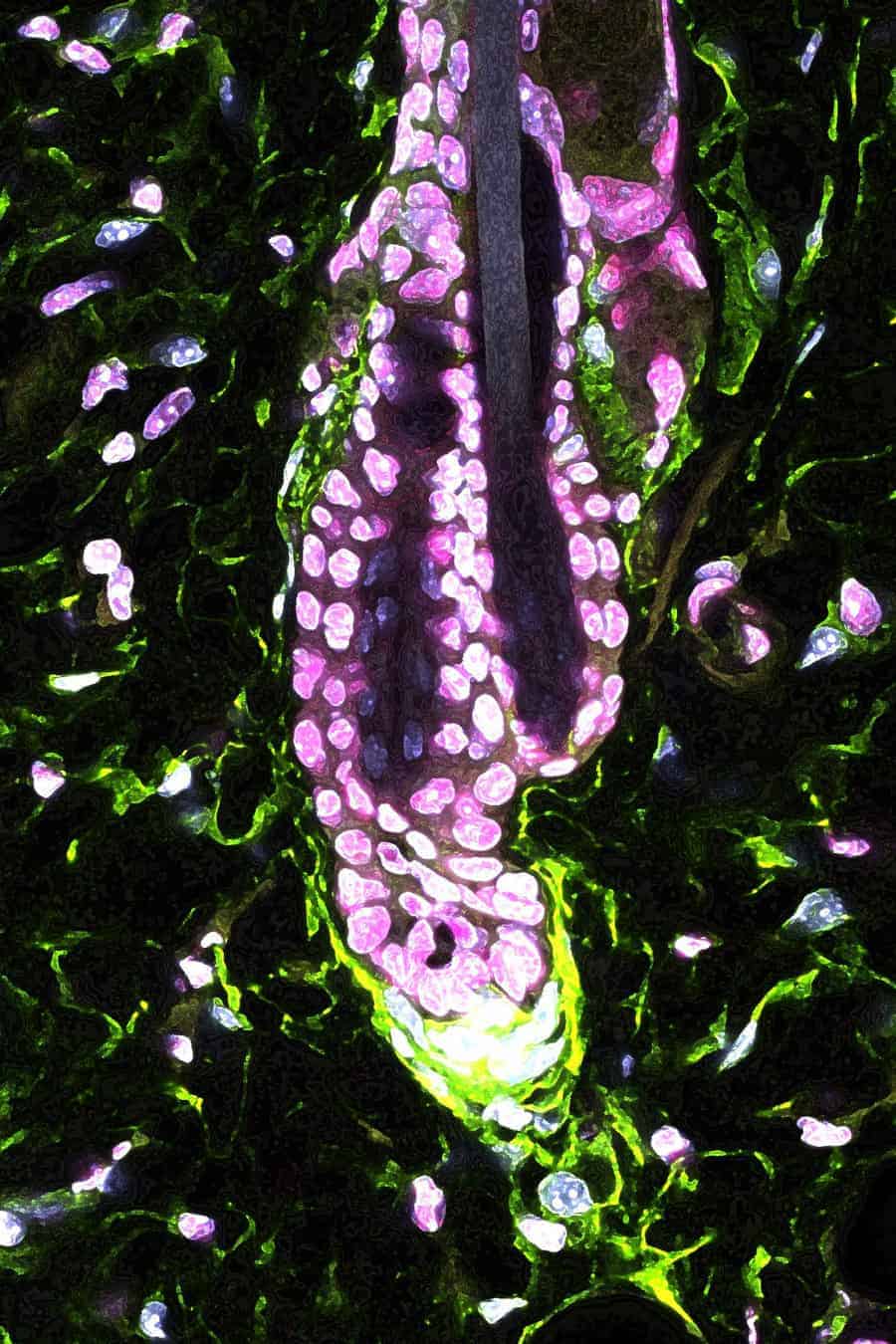
Alopecia areata is another type of hair loss that can be triggered by stress. This type of alopecia is believed to be related to the immune system. It usually causes a very distinctive type of hair loss, where small coin-sized bald patches appear across the scalp, face, and body. It usually lasts around 6 months, except for cases of chronic telogen effluvium, which lasts longer. No specific treatment exists, but lifestyle and dietary changes can be effective in beginning hair regrowth.
Free Healthbeat Signup
The first stage, anagen, is what 90% of our hair is currently at. Cells within the follicle root divide during this phase and form a hair. This tiny and brand new hair will continue to grow until it pushes the old hair up through the follicle and out. After the new hair has emerged, it will continue to grow at a rate of around half an inch every single month. This phase can last between 2 to 6 years, depending on your hair’s growth rate.
Are you losing your hair? A dermatologist breaks down some FAQs.
Anti-inflammatory red LED treatments may help slow the shedding, and there is also growing evidence that treating TE with PRP injections may be beneficial, Dr. Bhanusali adds. If you’ve taken steps to reduce stress and you’re still losing your hair, talk to your healthcare provider for advice. Treatment depends on the underlying cause and may include lifestyle changes, medications, topical treatments, and immunotherapy. Stress management techniques, such as deep breathing, can also help manage stress and decrease the risk of hair loss.
Traction alopecia
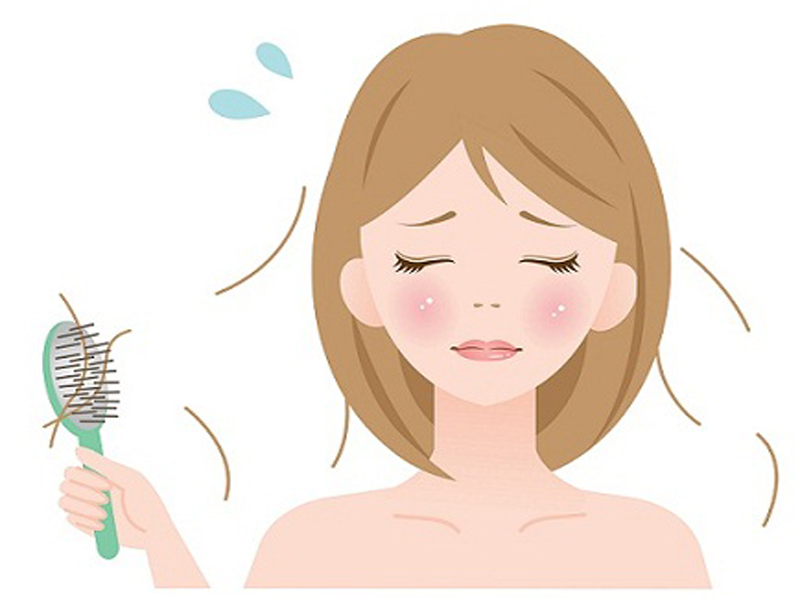
This is a strong indicator that your hair survived through a normal life. Stress symptoms are linked to the body’s “fight, flight or freeze” response. This is a survival response to stressful or potentially dangerous situations. Our body releases stress hormones such as cortisol which help us through this particular situation.
Reach out to your healthcare provider as soon as you notice hair loss, especially if it causes additional stress. Because one of the main causes of telogen effluvium is a stressor on your body, it’s important to identify the cause. Once you address the cause, most cases of telogen effluvium will resolve without treatment within six to eight months. In most cases, your healthcare provider can diagnose telogen effluvium without any testing. They may recommend further testing, including blood tests or a scalp biopsy, if they suspect a condition or illness has caused telogen effluvium. Long-term, or chronic, stress puts people at risk for a variety of health problems.
At older ages, our hair growth rates will slow down considerably. This means that periods of stress later on in life will be much harder to recover from when it comes to growing back your hair. This means that temporary stress will not affect your hair greatly. However, chronic stress over periods of a year or more has a high possibility of causing devastating hair loss.
Grow your business with us
TE may be the second most common type of hair loss seen by dermatologists. Keep reading to learn how stress can affect your hair health, whether its effects are permanent, and what you can do to help encourage regrowth. There is also Polycystic Ovarian Syndrome (PCOS) for women to consider. Roughly 5 million women in America suffer from PCOS which is a hormonal imbalance in which the ovaries produce too much testosterone.
certain medications
Stress-Related Hair Loss Among the General Population in Al Majma'ah, Saudi Arabia: A Cross-Sectional Study - Cureus
Stress-Related Hair Loss Among the General Population in Al Majma'ah, Saudi Arabia: A Cross-Sectional Study.
Posted: Thu, 05 Oct 2023 07:00:00 GMT [source]
Increased cortisol also prevented the cells beneath the hair follicle (dermal papilla) from secreting a molecule called GA56. Under normal conditions, hair follicle regeneration slows over time — the resting phase becomes longer as the animals age. “So even the baseline level of stress hormone that’s normally circulating in the body is an important regulator of the resting phase. The hair growth cycle is driven by stem cells that reside in the hair follicle.
Though we tend to think of stress as a psychological issue, it can affect your body. If you’ve ever experienced a period of significant stress you’ll know it can cause a long list of symptoms, including problems sleeping, headaches, and heartburn. When diagnosing telogen effluvium, a doctor will examine the hairs that have fallen out.
In degeneration (catagen), hair ceases to grow, and the follicle at the base of the strand shrinks. In rest (telogen), hair falls out and the process can begin again. Hair is among the few tissues that mammals can regenerate throughout their lifetime. If your hair loss has been triggered by stress, managing your stress could be the key to returning to a healthy rate of hair growth.
Keeping properly hydrated is also essential to overall good health. You may find that hair pulling happens without much thought, like when you’re bored or distracted. The hair pulling may also be more intentional and used as a means to relieve stress or other negative emotions.
By Elizabeth Scott, PhDElizabeth Scott, PhD is an author, workshop leader, educator, and award-winning blogger on stress management, positive psychology, relationships, and emotional wellbeing. Dermatologists may give topical corticosteroids to children 10 years old or younger and corticosteroid injections to individuals older than 10 years with patchy alopecia. Emotional stress can add more to the effects of these physiological stressors. You'll soon start receiving the latest Mayo Clinic health information you requested in your inbox.
Usually, you can expect to have your typical head of hair back in about 1 year after the telogen effluvium starts. If your hair continues to fall out in clumps after 6 months, you may have more than 1 underlying factor or a chronic condition. Hair loss is a complicated topic and the role of nutrition in preventing or treating hair loss can be somewhat controversial. Newer treatments that are also being explored include some forms of laser therapy, microneedling with PRP, as well as other oral medications. Many of these treatments are still in the early testing phases though, and more research will be necessary. They’ll likely use a combination of your health history — including any recent illnesses, surgeries, life stressors, and family history — and a physical exam to help narrow down the causes.
However, 38.2% of people also experienced recurrence of their alopecia. Telogen effluvium causes hairs to enter the resting stage from the growing stage prematurely. Most people who are healthy lose up to 100 strands of hair per day. If you have telogen effluvium, you may lose up to 300 strands of hair per day. “In the future, the Gas6 pathway could be exploited for its potential in activating stem cells to promote hair growth,” says first author Dr. Sekyu Choi of Harvard University. However, further study is needed to understand whether the same mechanism is at work in people.
If you go through a stressful experience and are worried that your hair may start falling out after the fact, it's also wise to start taking photos of your hair. "I always have my patients take baseline photos and then repeat these every two to three weeks," says Bhanusali. That way, if you do start experiencing hair loss, you'll be able to have concrete evidence of where you started. He suggests snapping pics of your full frontal hairline, including the temples and middle part. "The hair usually grows back on its own, although there are things we can do to help speed up the process," notes Dr. Bhanusali. He says topical steroids can help slow shedding, while treatments such as minoxidil or finasteride can help stimulate hair growth.
Getting enough protein in your diet is essential as it provides the building blocks for proper hair growth; meat, tofu, eggs, beans, grains, nuts, and fish are all good protein sources. Some studies suggest that telogen effluvium can also be connected to low levels of iron, so include iron-rich foods like leafy vegetables, lentils and liver where you can. If you like the idea of adding supplements to your routine, there are some which are specifically formulated to contain ingredients that increase hair thickness and health. With some conditions, such as patchy hair loss (alopecia areata), hair may regrow without treatment within a year. “We first asked whether the stress hormone was regulating the stem cells directly and checked by taking out the receptor for corticosterone, but this turned out to be wrong.


No comments:
Post a Comment