Table Of Content
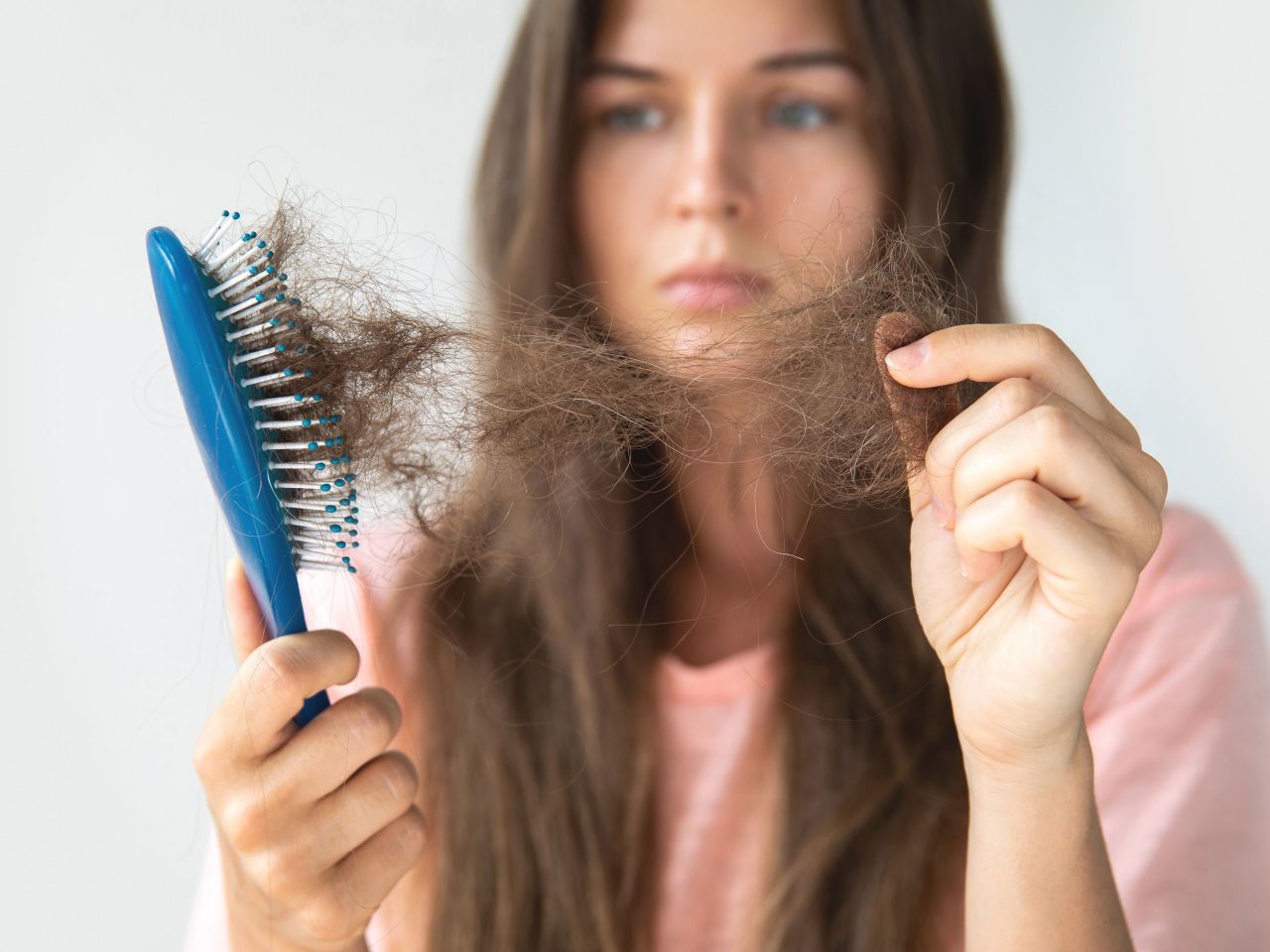
There are several types of hair loss, some are common and some are rarer, and each with different underlying causes. It’s typical to lose between 50 and 100 hairs a day, according to the American Academy of Dermatology (AAD). With about 100,000 hairs on your head, that small loss isn’t noticeable. New hair normally replaces the lost hair, but this doesn’t always happen.
How does stress impact the hair cycle?
We all lose about 100 hairs a day, which isn’t much since there are around 100,000 hairs on the average scalp. While acute stress boosts the immune system, chronic stress suppresses and over-activates the immune system, leading to inflammation. There are a number of things that you can do to reduce hair loss and encourage new growth. At this point, the hair transitions into a club hair during the next 2 to 3 weeks. The root sheath within the follicle will slowly shrink and attach to the base of your hair.
Managing Stress Slows Pattern Balding
A biopsy may also be taken if it is initially very unclear what the root causes may be. Female pattern baldness often results in thinning all over the scalp and might look like widening or thinning around the part. It typically occurs after age 65 but, for some females, it can begin early in their lives. Hair loss related to androgenic alopecia tends to happen gradually.
Telogen effluvium
Subjecting the rats to mild stress for weeks resulted in increased stress hormone (corticosterone) levels and reduced hair growth. Telogen effluvium is a type of hair loss that involves rapid shedding of hair over a short period. It typically happens a few months after your body goes through something physically or emotionally stressful. Hair loss due to telogen effluvium is usually temporary, and your hair often grows back without treatment once you no longer have that stress. Telogen effluvium can be stressful, and you may fear that you’ll lose all of your hair.
Mayo Clinic Press
Anti-inflammatory drugs that suppress the immune system are one form of treatment. It’s best to see a healthcare professional for any unexplained hair loss so they can determine the underlying cause and best course of treatment. Tinea capitis, also called ringworm of the scalp, is a fungal infection that can affect the scalp and hair shaft. Over time, if not treated early, the size of the patch or patches will increase and fill with pus. Telogen effluvium is a type of sudden hair loss that results from emotional or physical shock, like a traumatic event, period of extreme stress, or a serious illness. It’s also the most common cause of hair loss, affecting up to 50% of people.
There are also some things you can do if you think your hair is falling out from stress. Hair loss can occur if you wear pigtails, braids or cornrows, or use tight hair rollers. There is no known cure for AA, though there are some prescription medications that may help those with over 50 percent hair loss. Read on to find out whether or not stress really causes hair loss.
While we know that stress is an undeniable factor in most people’s lives, its impact on so many aspects of our physical and mental health is perhaps more far reaching than we might imagine. If your hair loss is caused by an underlying disease, treatment for that disease will be necessary. If a certain medication is causing the hair loss, your doctor may advise you to stop using it for a few months. As mentioned, the inciting trauma or stress can be either physical, emotional, or both.
Healthy Eating
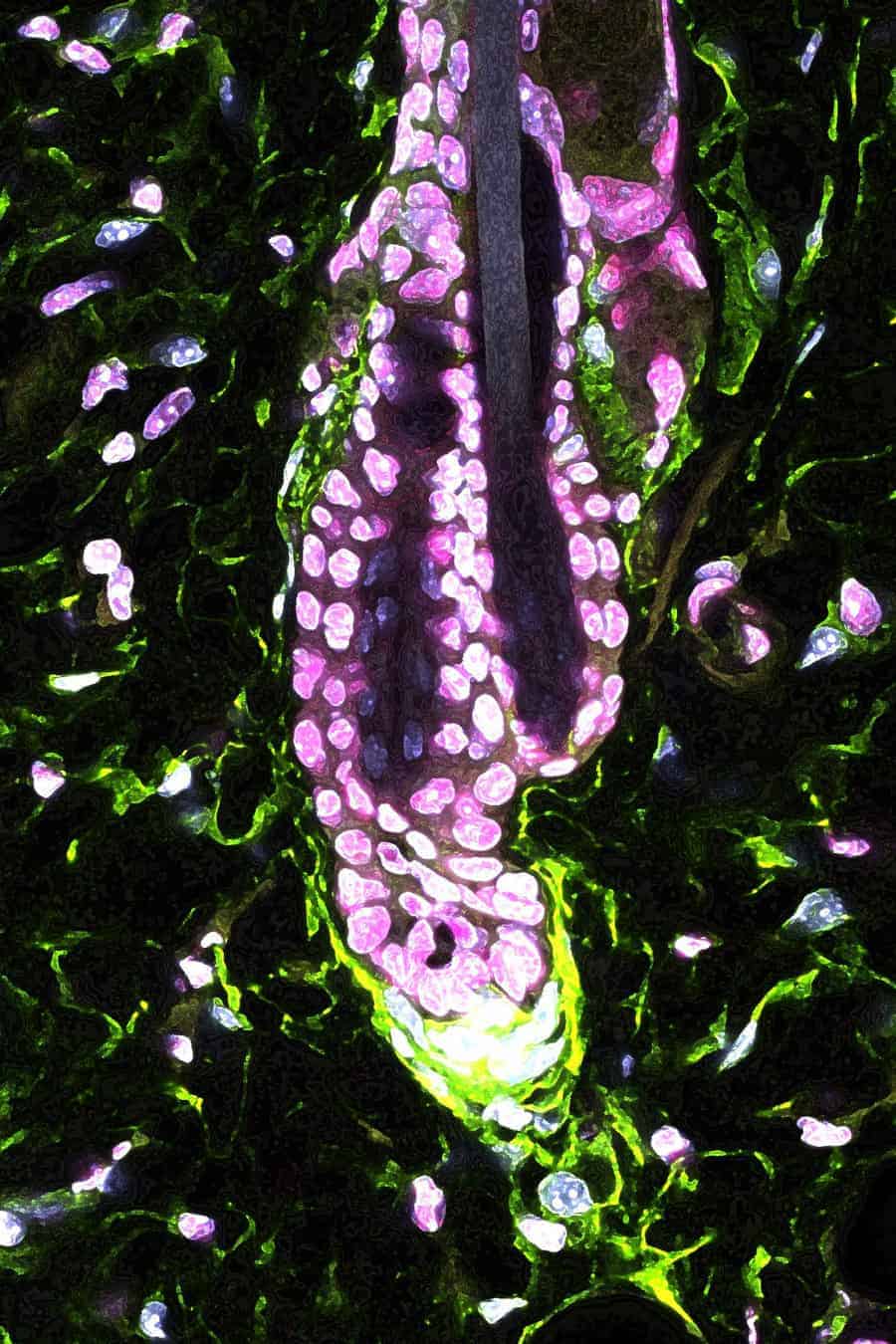
During growth, stem cells divide to become new cells that regenerate hair. Until now, researchers hadn’t determined exactly how chronic stress impaired hair follicle stem cells. Further studies revealed that corticosterone prevented the dermal papilla from secreting GAS6, a molecule they showed can activate hair follicle stem cells. Delivering GAS6 into the skin restored hair growth in mice fed corticosterone or undergoing chronic stress. The hair follicle naturally cycles between growth and rest, a process fueled by hair follicle stem cells. During the growth phase, hair follicle stem cells become activated to regenerate the follicle and hair, and hairs grow longer each day.
15 Best Shampoos for Thinning Hair (Tests & Reviews 2024) - Cosmopolitan
15 Best Shampoos for Thinning Hair (Tests & Reviews .
Posted: Wed, 03 Apr 2024 07:00:00 GMT [source]
Dr Asfour says stress has been suggested as a possible trigger for two common types of hair loss called telogen effluvium and alopecia areata. “We all shed hair every day,” she says, “but people with telogen effluvium shed more than usual. Alopecia areata is an autoimmune condition that is characterized by “round patches of hair loss on the scalp,” although it can occur elsewhere on the body, Agbai says.
Yet there are still many questions that people have about stress and the role it plays in our daily lives. “While we know inflammation is behind the hair loss, we don’t know what causes the inflammation, and stress is often raised as a potential factor,” she says. However, more research is needed before they can say categorically state that stress is a cause. Find out more about a potential link between COVID-19 and hair loss.

Under typical conditions, they may only pull two to three hairs from your scalp. If you have telogen effluvium, they may pull at least four to six hairs from your scalp with white bulbs at the roots. If your hair loss is caused by stress, it’s possible for your hair to grow back in time. Healthy hair cycles start with the growth phase, then rest, before eventually falling out. This process repeats itself unless something interrupts it, such as hypothyroidism. Your body works by taking the nutrients you feed it and dispersing them throughout the body.
By deleting the receptor for corticosterone from different cells, they determined that the hormone acts on a cluster of cells underneath the hair follicle called the dermal papilla. Autoimmune diseases, in which the immune system mistakenly attacks hair follicles or skin cells, can also cause hair loss. This is the case with alopecia areata, which causes permanent loss of hair on your scalp, nose, ears, eyebrows, and other parts of the body. In addition, psoriasis, an inflammatory skin condition, can affect the scalp. For many individuals, it's a result of androgenetic alopecia which is also called pattern baldness.



No comments:
Post a Comment